Understanding the Floating Desktop Mockup for Professional Design Presentation
In the competitive landscape of digital design, the final presentation is often just as critical as the creative work itself. A Floating Desktop Mockup serves as a sophisticated bridge between a raw digital file and a tangible, real-world context. This specific type of mockup places a design onto a floating screen element, creating an illusion of depth and realism that flat images simply cannot achieve. For professionals aged 20 to 50 who are evaluating tools to showcase their portfolios or client deliverables, understanding the nuances of this resource is essential for making an informed decision.
What Distinguishes the Floating Desktop Mockup?
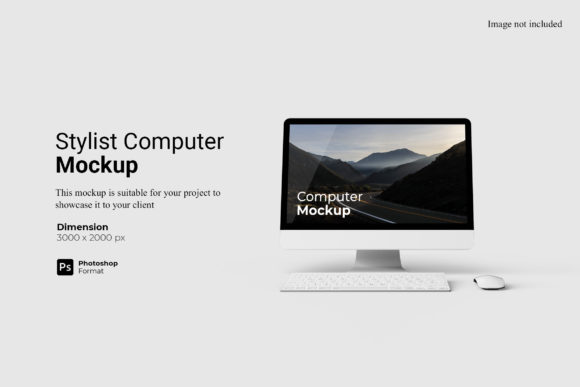
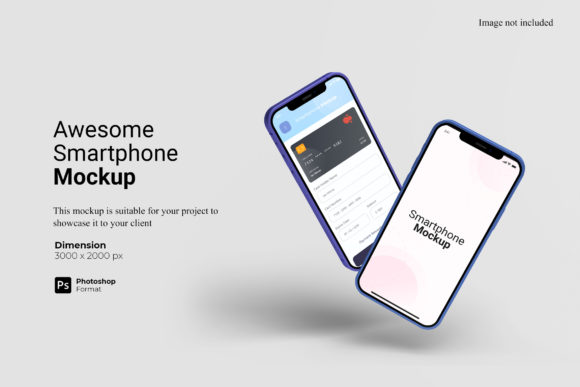
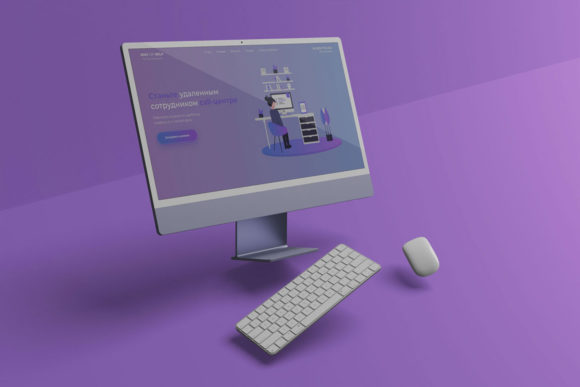
The primary distinction of a Floating Desktop Mockup lies in its three-dimensional rendering capabilities combined with user-friendly editing workflows. Unlike traditional flat background templates, this format simulates a monitor or display hovering in space, often casting realistic shadows and reflections. The core value proposition is found in its technical structure: it is available in PSD Photoshop format, leveraging smart-object features to streamline the design process.
When you acquire this item, you are not just receiving a static image; you are gaining a dynamic canvas. The ability to replace designs easily and quickly means that a single template can serve multiple projects without requiring complex manual adjustments. The specifications typically include a high-resolution size of 3000x2000 pixels at 300 dpi, ensuring that the output remains crisp whether viewed on a large monitor or printed for a portfolio review. Furthermore, the inclusion of a changeable background-color feature allows designers to adapt the mood of the presentation instantly, matching brand guidelines or specific campaign themes without altering the lighting physics of the scene.
Evaluating Fit: When to Choose This Format
Selecting the right tool depends heavily on the specific goals of your project. A Floating Desktop Mockup is particularly advantageous when the objective is to demonstrate how a design interacts with a physical environment. For instance, if you are presenting a UI/UX interface for a web application, showing it on a floating screen suggests mobility and modernity. It implies that the software is accessible anywhere, adding a layer of narrative to the visual.
This format is also ideal for clients who may struggle to visualize abstract concepts. By placing a design in a realistic 3D display, you provide immediate context. The tradeoff here is the reliance on specific software; because these files are built for Adobe Photoshop, users must have access to this platform to utilize the smart-object functionality effectively. However, for those already equipped with the necessary tools, the efficiency gains are substantial. The PDF help guide included with the resource further reduces the learning curve, offering step-by-step instructions that ensure even less experienced users can integrate their work within seconds.
Comparison with Flat Mockups and 3D Renders
To make a well-rounded decision, it is helpful to compare the Floating Desktop Mockup against other common presentation methods. Flat mockups, which display designs on a plain white or colored background, offer maximum versatility but lack the emotional impact of a 3D scene. They are excellent for quick social media posts where speed is prioritized over immersion. In contrast, fully custom 3D renders created from scratch using software like Blender or Cinema 4D offer unparalleled control over lighting, angles, and materials. However, these custom renders require significant time investment and advanced technical skills.
The Floating Desktop Mockup occupies a strategic middle ground. It provides the visual depth and realism of a custom 3D render without the hours of modeling and texturing required to create one from scratch. While a custom render might allow for unique camera angles that a pre-made template cannot replicate, the Floating Desktop Mockup offers a standardized, professional look that is widely accepted in the industry. It strikes a balance between the ease of use of flat templates and the sophistication of bespoke 3D work.
Navigating Limitations and Tradeoffs
No single tool is perfect for every scenario, and understanding the limitations of a Floating Desktop Mockup is crucial for managing expectations. One notable constraint is the fixed perspective. While the background color can be changed, the angle of the screen and the surrounding environment are generally predetermined by the template's geometry. If a designer requires a specific, unconventional viewpoint—such as a top-down view or a highly distorted angle—they may find the template restrictive compared to a fully customizable 3D model.
Additionally, while the resolution is high (3000x2000 px), the quality of the final output is still dependent on the source design. If the input image is low-resolution or lacks detail, the smart-object replacement will not magically enhance it. The "floating" effect relies on accurate lighting calculations within the PSD file; if a user attempts to alter the lighting drastically outside the parameters set by the creator, the realism may suffer. Therefore, these mockups work best when the goal is consistency and speed rather than total artistic freedom.
Practical Applications and Use Cases
Despite these limitations, the utility of this resource extends across various industries. Graphic designers frequently use them to present branding packages, such as logos on screens or website layouts on floating monitors. Marketing teams utilize them for advertising campaigns, showcasing mobile app interfaces or digital banners in a lifestyle context. Even educators and students benefit from the clear, distraction-free presentation style that helps focus attention on the design content itself.
Consider a scenario where a freelance designer needs to pitch a new dashboard concept to a potential client. Using a Floating Desktop Mockup, they can insert the dashboard design into the smart object, adjust the background to match the client's corporate colors, and export a high-quality image for a proposal deck. This process takes minutes, whereas setting up a similar scene in a 3D program could take hours. The result is a professional-looking asset that validates the designer's expertise and enhances the perceived value of the work.
Decision Factors for Professionals
When evaluating resources, professionals should consider their workflow efficiency, budget, and the specific demands of their current projects. If the priority is rapid turnaround and consistent quality across multiple deliverables, the Floating Desktop Mockup is a strong candidate. The smart-object feature alone justifies the choice for many, as it eliminates the tedious task of manually masking and resizing elements for every new project.
However, if a project demands a unique aesthetic that deviates significantly from standard desktop configurations, or if the team lacks the necessary software licenses, alternative solutions may be more appropriate. In such cases, exploring vector-based mockups or simpler flat formats might yield better results. It is also important to note that photos used in preview galleries are for illustration purposes only and do not come with the purchase; this ensures that the buyer receives a clean slate to build upon, free from distracting stock imagery.
Maximizing Value Through Versatility
The true strength of the Floating Desktop Mockup emerges when it is used flexibly. By combining the changeable background-color feature with the high-resolution output, designers can create a series of variations from a single file. This versatility supports a cohesive brand identity across different platforms. Whether the goal is to present a sleek, dark-themed interface or a bright, airy layout, the same underlying template can accommodate both, provided the lighting settings in the PSD are respected.
In conclusion, the Floating Desktop Mockup represents a practical, efficient solution for professionals seeking to elevate their design presentations. It offers a compelling blend of realism and ease of use, bridging the gap between basic templates and complex 3D production. While it may not replace the need for custom 3D modeling in every instance, it stands as a robust tool for the majority of design scenarios where clarity, speed, and professional polish are paramount. By understanding its strengths and acknowledging its boundaries, designers can leverage this resource to communicate their ideas more effectively and confidently.