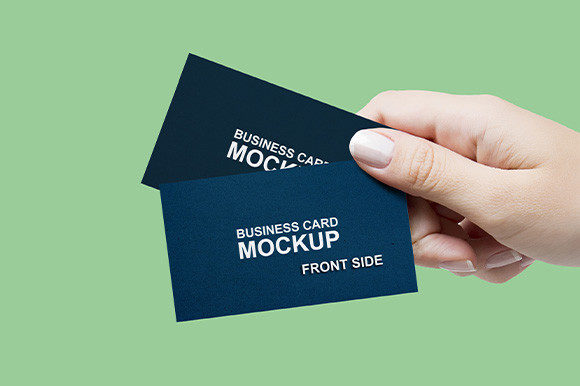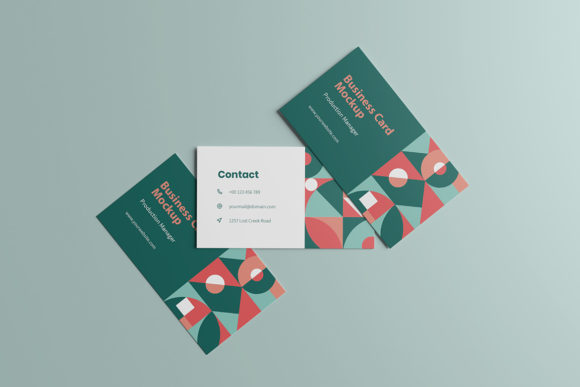
Three Business Card Mockup: The Realistic Way to Showcase Your Design
You have spent hours perfecting a logo, tweaking the typography, and selecting the exact shade of blue that represents your brand. Now comes the moment where you need to show it off to a client or post it on your portfolio. Staring at a flat image file on your screen often feels insufficient. It lacks weight, texture, and the professional polish that makes a design feel tangible. This is where the Three Business Card Mockup becomes an essential tool in your workflow. It transforms a simple digital graphic into a realistic 3D display that captures the attention of anyone who sees it.
This resource is not just about making things look pretty; it is about bridging the gap between a digital concept and a physical reality. Whether you are a freelancer pitching a new identity to a small business owner or a marketer preparing a presentation for stakeholders, the way you present your work matters immensely. A mockup allows you to simulate how your design will look in the real world before a single card is printed. It provides context, depth, and a sense of scale that flat files simply cannot achieve.
Why Context Matters in Design Presentations
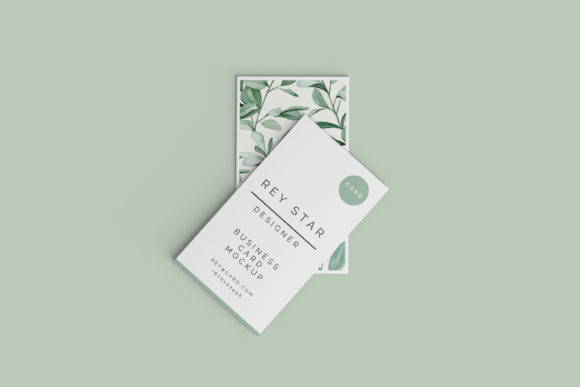
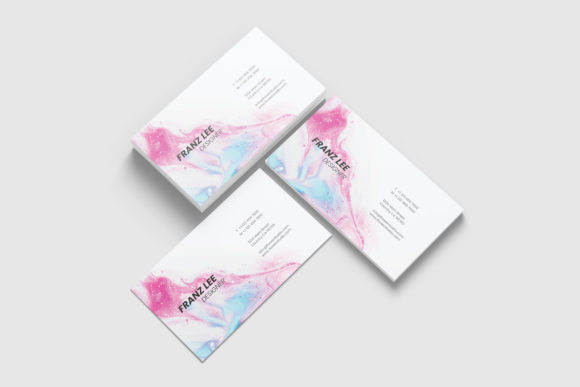
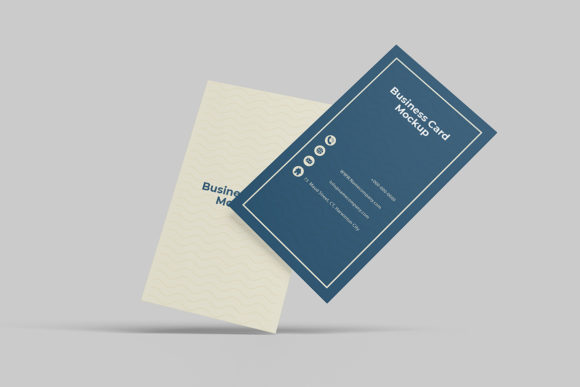
When clients or colleagues view a design, they struggle to visualize the final product if it is just a flat image. They might wonder about the paper quality, the finish, or how the colors appear under different lighting conditions. By using a high-quality mockup, you answer these questions instantly. The Three Business Card Mockup offers a realistic 3D environment that helps viewers understand the tactile nature of the object.
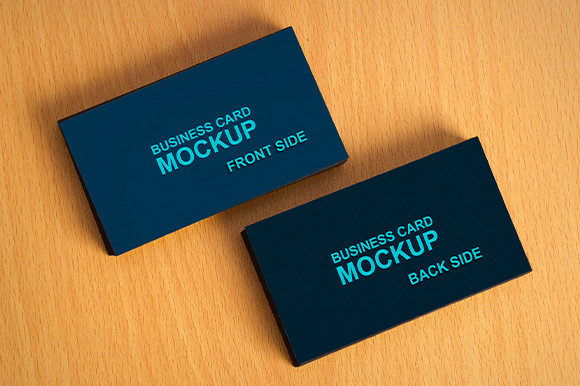
Imagine you are presenting a rebranding project to a startup founder. Instead of sending a JPEG, you send a rendered scene showing the cards resting on a sleek wooden desk next to a laptop. The lighting catches the edges of the cards, suggesting a premium matte finish. Suddenly, the value of your design increases because the client can see the potential outcome. This visual clarity reduces hesitation and speeds up the approval process. It turns a theoretical discussion into a concrete decision-making moment.
Real-World Scenarios for Using This Tool
The versatility of this PSD file means it fits into a wide variety of professional and personal situations. Here is how different users leverage this specific mockup to solve real problems.
- Freelance Graphic Designers: When bidding on a project, you need to stand out. Sending a proposal with a few flat logos looks amateurish. Inserting your design into this mockup creates a "wow" factor immediately. You can swap the designs easily using smart-object features, allowing you to create multiple variations for different industries without starting from scratch each time.
- Entrepreneurs and Small Business Owners: If you are launching a new venture, you might not have the budget for expensive photography sessions. You can use this tool to create professional marketing materials for your social media or website. Seeing your own name and logo on a realistic card helps you visualize your brand identity and builds confidence before you even order the print run.
- Marketing Agencies: Agencies often need to pitch concepts to multiple clients simultaneously. With a file size of 3000x2000 px at 300 dpi, you can produce high-resolution images suitable for both web viewing and large format printing. The ability to change the background color quickly allows you to match the mockup to your agency's branding or the client's corporate palette.
- Students and Educators: For design students, learning to present work is as important as creating it. Instructors expect portfolios to show professional presentation skills. Using a tool like this demonstrates that you understand the full lifecycle of a design project, from creation to production.
- Bloggers and Content Creators: If you write about design trends or software tutorials, you need engaging visuals. Generic stock photos are everywhere, but a custom mockup featuring your unique design or a tutorial screenshot stands out. It adds authenticity to your content and keeps readers engaged longer.
How the Features Translate to Practical Benefits
It is easy to get lost in technical specifications, but understanding what those specs actually mean for your daily work is crucial. The Three Business Card Mockup is built with user experience in mind, specifically through its integration with Adobe Photoshop.
The most significant feature is the inclusion of smart objects. In the past, editing a mockup could be a tedious process involving masking, clipping paths, and manual resizing. With smart objects, the workflow is streamlined. You double-click a layer, paste your design, save, and close. The mockup automatically adjusts the perspective, lighting, and shadows to fit your artwork perfectly. This means you can replace current designs with your own within seconds, saving you hours of manual labor.
The resolution is another critical factor. At 300 dpi and a substantial 3000x2000 px size, the output is crisp enough for professional portfolios and print-ready PDFs. You do not have to worry about pixelation when zooming in to show details to a client. Furthermore, the option to change the background color gives you creative control over the mood of the image. Need a clean white background for a minimalist look? Done. Want a dark, moody atmosphere for a luxury brand? That works too.
Considerations Before You Start
While this tool is powerful, there are a few practical aspects to keep in mind to ensure the best results. First, ensure you have the correct version of Adobe Photoshop installed, as smart objects require the software to function correctly. Although the file includes a PDF help guide to walk you through the basics, having a basic familiarity with Photoshop layers will make the process even smoother.
Secondly, remember that the photos used in the preview are for illustration purposes only. Do not assume the lighting or surface textures in the preview are exactly what you will get with your specific design, though the base assets are high quality. Always test your design with various colors and text sizes to ensure legibility against the simulated background. Since the mockup simulates a 3D environment, very fine details or extremely light text on a light background might lose some contrast, so always check the final render closely.
Finally, consider the purpose of your final image. Are you posting this on Instagram, where mobile viewing is key? Or are you including it in a printed brochure? The 300 dpi resolution covers both bases, but knowing your end goal helps you choose the right export settings. If you are working with a team, the ease of use means you can share the PSD file, and everyone can contribute their own designs without needing advanced editing skills.
Making the Most of Your Presentation
Ultimately, the goal of using the Three Business Card Mockup is to elevate your communication. It shifts the conversation from "What does this look like?" to "I love how this looks." By providing a realistic 3D display, you give your audience the confidence to approve your work. It removes the ambiguity of digital files and replaces it with the certainty of a physical product.
Whether you are a hobbyist looking to create a fun gift for a friend, a publisher designing a magazine spread, or a serious entrepreneur building a brand empire, this tool serves as a bridge between imagination and reality. It respects your time by offering quick edits and delivers a result that commands respect. In a world saturated with digital noise, a well-presented, realistic mockup cuts through the clutter and gets your message heard.
Take advantage of the smart-object features to experiment freely. Try different fonts, layouts, and color schemes until you find the perfect combination. The flexibility of the PSD format ensures that you are not locked into a single look. As you integrate this tool into your routine, you will likely find that your presentations become faster, more effective, and far more convincing. It is a small investment of time that yields a massive return in professional perception.