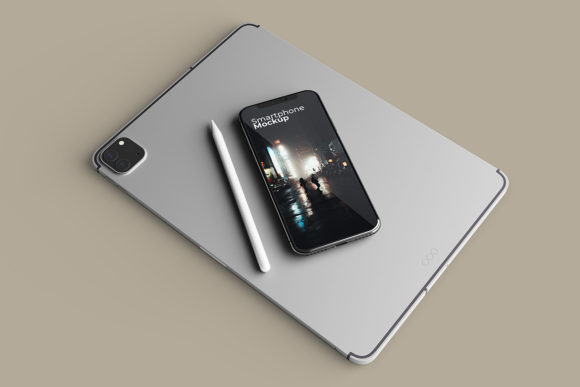
Smatphone Mockup: A Practical Evaluation for Professional Designers
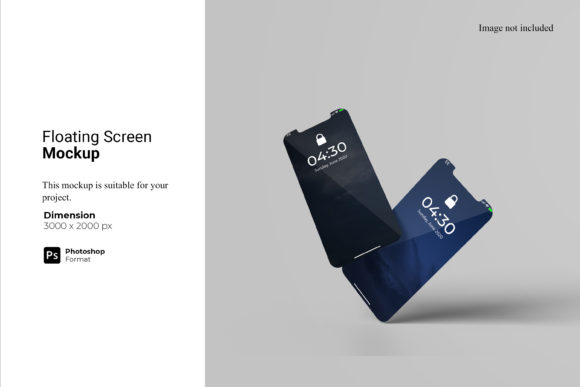
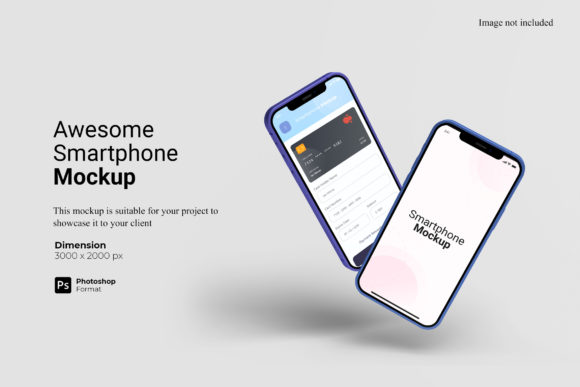
In the competitive landscape of digital product design, presentation is often just as critical as the interface itself. A high-fidelity app or website design can be rendered useless if it is displayed on a generic, flat background that fails to convey scale, context, or realism. This is where the Smatphone Mockup becomes an essential asset for professionals seeking to elevate their portfolio and client presentations. Designed specifically for those who value efficiency without sacrificing visual fidelity, this tool offers a streamlined solution for showcasing mobile designs in a realistic 3D environment.
The core purpose of this resource is to bridge the gap between abstract design files and tangible, real-world application. By providing a high-quality PSD file with integrated smart-object features, it allows designers to replace current designs with their own within seconds. This capability addresses a common pain point in the creative workflow: the time-consuming process of manually adjusting perspective, lighting, and shadows to fit a device frame. Instead of spending hours tweaking layer styles, users can focus on the actual content of their work.
Technical Specifications and Workflow Efficiency
From a technical standpoint, the Smatphone Mockup adheres to industry standards for print and web display. The file is provided in PSD Photoshop format, ensuring compatibility with the most widely used design software in the market. One of its most significant strengths lies in its resolution and dimensions. At 3000x2000 pixels with a 300 DPI setting, the mockup is capable of producing crisp, detailed outputs suitable for both high-resolution screens and professional printing materials such as brochures, posters, or pitch decks.
The integration of smart objects is not merely a feature; it is the foundation of the user experience. When working with complex design assets, the ability to swap out the screen content non-destructively is vital. With this mockup, you simply double-click the smart object thumbnail, paste your design, save the changes, and the system automatically maps the image onto the curved surface of the phone. This eliminates the need for manual warping tools or clipping masks, significantly reducing the risk of errors and streamlining the iteration process.
- Instant Replacement: Swap designs in seconds using standard copy-paste workflows.
- Non-Destructive Editing: Original design files remain intact while being mapped to the 3D surface.
- High Resolution: 300 DPI ensures clarity when scaling images for large displays or print.
Flexibility in Presentation and Context
While the device itself provides the primary structure, the context in which it is presented defines the narrative. The Smatphone Mockup distinguishes itself through its customizable background options. In many marketing scenarios, the background color must align strictly with brand guidelines or specific campaign themes. Being able to change the background color instantly allows for rapid testing of different visual hierarchies. For instance, a dark mode interface might pop against a neutral gray background, while a vibrant social media campaign could benefit from a bold, contrasting backdrop.
This flexibility extends to the overall aesthetic consistency. Because the lighting and shadow effects are pre-rendered into the mockup's layer structure, changing the background does not alter the realism of the device. The phone remains anchored in space, maintaining consistent highlights and reflections regardless of the surrounding color. This reliability is crucial for maintaining a professional look across multiple slides in a presentation deck or a series of social media posts.
Real-World Application and User Experience
To understand the practical value of this tool, consider the typical workflow of a freelance UI/UX designer or a marketing agency pitching a new mobile application. The scenario often involves creating a final deliverable that demonstrates how the app looks in the hand of a user. Without a dedicated mockup, achieving this requires advanced 3D modeling skills or the purchase of expensive, specialized plugins. The Smatphone Mockup democratizes this process, making high-end presentation accessible to anyone with basic Photoshop proficiency.
The inclusion of a PDF help guide further enhances usability. While smart objects are intuitive, beginners may occasionally struggle with the initial setup or file management. A concise guide serves as a safety net, offering step-by-step instructions on how to navigate the layers and apply changes correctly. This reduces the learning curve and ensures that even users with limited experience can produce professional results immediately.
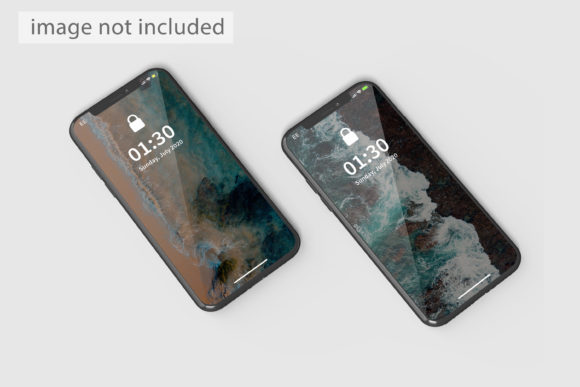
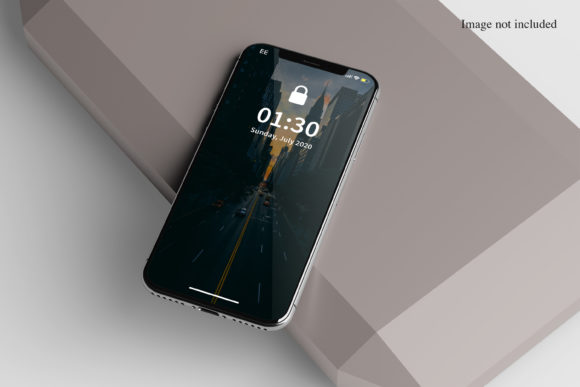
It is important to note that the photos used in the preview images are for illustration purposes only and are not included in the download. This is a standard practice in the industry to protect copyright and encourage users to visualize the potential of their own work. However, it also means that the true test of the mockup lies in the quality of the user's input. The tool acts as a frame; the art inside determines the final impact.
Ideal Use Cases and Target Audience
The versatility of the Smatphone Mockup makes it suitable for a diverse range of professionals. For entrepreneurs and small business owners, it provides a cost-effective way to visualize product concepts before development begins. It allows them to create compelling pitch decks that communicate the vision clearly to investors without needing a full-scale prototype.
For marketers and creators, the mockup is an efficient tool for generating social media assets. The ability to quickly cycle through different design variations enables A/B testing of visuals before posting. Bloggers and publishers can use these images to illustrate articles about app reviews or design trends, adding a layer of professionalism that text-only descriptions cannot achieve.
- Portfolio Development: Freelancers can showcase case studies with polished, realistic imagery that highlights attention to detail.
- Client Presentations: Agencies can demonstrate end-user experiences more effectively, increasing the likelihood of project approval.
- Marketing Campaigns: Social media managers can create cohesive visual campaigns that align with brand identity.
- Educational Materials: Educators can use the mockup to teach students about mobile design principles and presentation techniques.
Limitations and Considerations
No single tool is perfect for every situation, and the Smatphone Mockup has specific constraints that users should be aware of. Primarily, it is designed for a specific device orientation and form factor. If a project requires a tablet view, a foldable phone, or a specific model that differs from the mockup's template, this file will not suffice. Users requiring highly specific hardware representations may need to seek out specialized mockups tailored to those devices.
Additionally, while the smart object feature simplifies the process, it relies entirely on the user having access to Adobe Photoshop. Those who prefer other design ecosystems like Figma or Sketch may find themselves needing to export their work to Photoshop first, adding a minor step to the workflow. Furthermore, the static nature of the mockup means it cannot animate interactions. For projects requiring video demonstrations or interactive prototypes, this tool serves only as a still-image representation.
Final Assessment of Value
The Smatphone Mockup represents a solid investment of time and resources for professionals who prioritize efficiency and visual quality. Its strength lies in its simplicity and reliability. By automating the complex tasks of perspective mapping and lighting adjustment, it allows designers to focus on what matters most: the design itself. The 300 DPI resolution ensures that the output meets professional standards, while the customizable background offers the necessary flexibility for various branding needs.
For freelancers, agencies, and serious hobbyists looking to present their work with clarity and impact, this tool offers a practical solution. It removes the technical barriers to entry for high-end visualization, enabling users to produce professional-grade imagery with minimal effort. While it may not replace the need for 3D modeling in every scenario, it stands as a highly effective utility for the majority of daily design tasks. Ultimately, its value is measured by the time saved and the quality of the final presentation, both of which are significantly enhanced by its smart-object capabilities and robust specifications.